


TIRZEPATIDE
Tirzepatide as an adjunct to AID versus AID alone in adults with type 1 diabetes and overweight: a Swiss–Canadian randomized controlled trial
By now many people with Type 1 diabetes use automated insulin delivery systems (AID systems), which continuously measure blood glucose levels and automatically adjust insulin delivery. Nevertheless, it can still be difficult to keep blood glucose within the target range, especially after meals. In particular, overweight and the resulting insulin resistance further complicate treatment, creating a need for additional therapies to improve glycemic control.
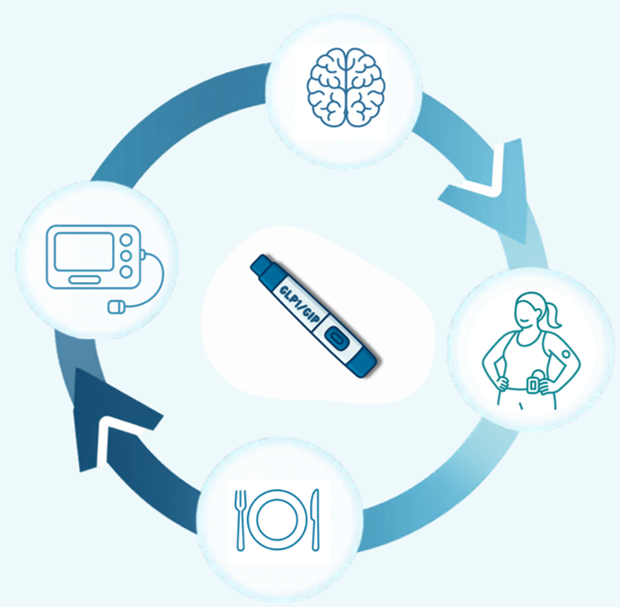
Tirzepatide is a medication that mimics the body’s natural gut hormones (GLP-1/GIP) and is currently used mainly for weight reduction and for the treatment of Type 2 diabetes. It improves insulin sensitivity and helps stabilize blood glucose levels.
This clinical study investigates how tirzepatide, when used in addition to AID system therapy, may also improve glycemic control in people with Type 1 diabetes — potentially even to the extent that manual meal announcements may no longer be necessary. In addition, the study examines whether the therapy may have further beneficial effects on body weight and body composition, insulin requirements, cardiovascular health, and quality of life.
The results of this study could open new avenues in the treatment of Type 1 diabetes, improve patients’ quality of life, and simplify diabetes management in everyday life.
Financial Support
- Breakthrough T1D
Collaborations
- Chief Investigator: Ahmad Haidar, PhD (MUHC, Kanada)
- Clinique médicale Hygea/Research Institute of the McGill University, Health Centre (Montréal, Canada): Dr. Melissa-Rosina Pasqua, Dr. Michael A. Tsoukas, Dr. Natasha Garfield, Dr. Abhinav Sharma
- Institut de recherches cliniques de Montréal (Montréal, Canada): Dr. Rémi Rabasa-Lhoret